


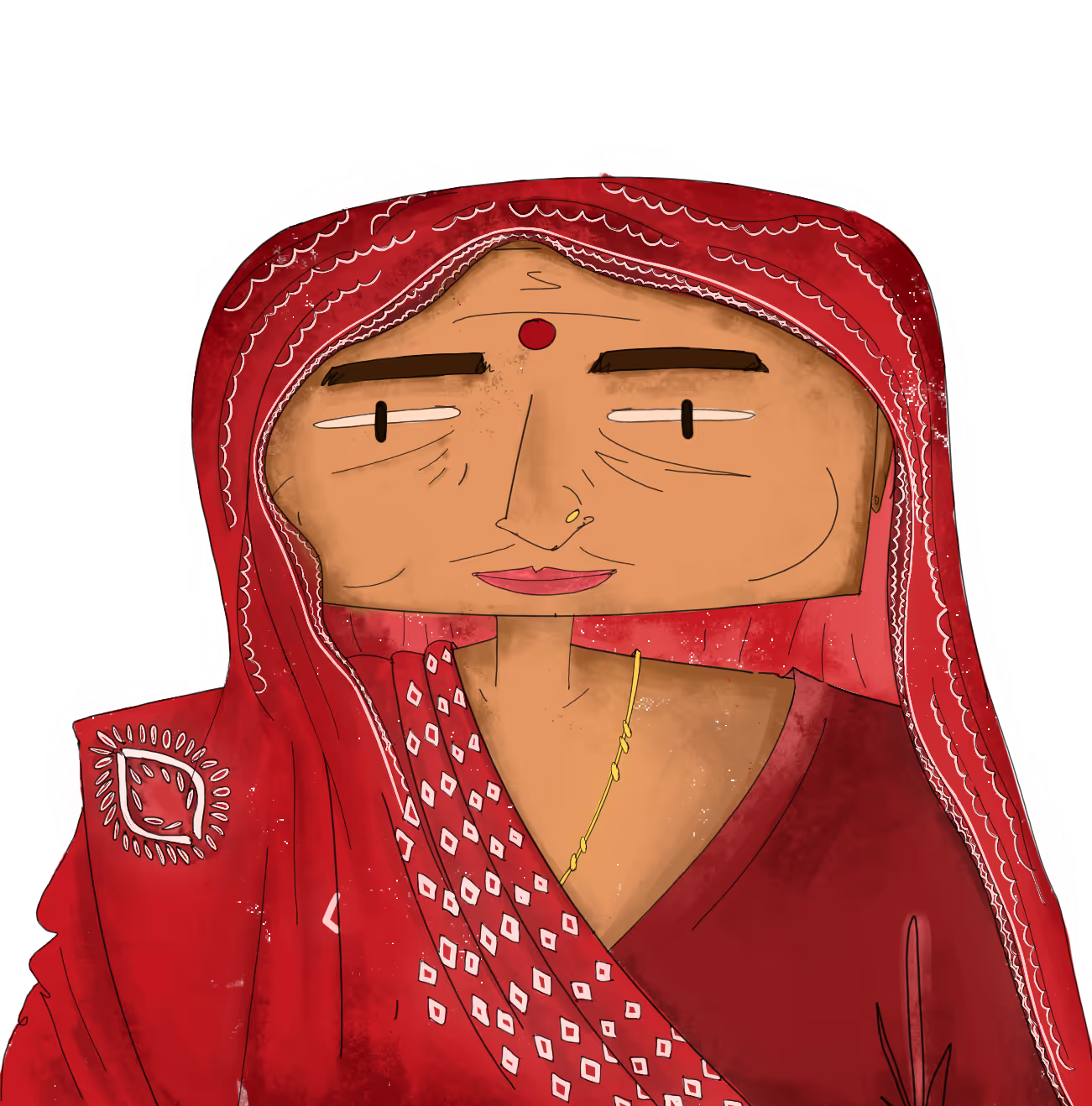
In the arid villages of Rajasthan, where caste hierarchies shape everyday life, Bhanwari Devi worked as a quiet “saathin,” a grassroots social worker determined to challenge deeply embedded injustices. She belonged to a marginalized community yet carried an uncommon conviction that every girl deserved the right to grow up free from the chains of child marriage.
This belief set her on a collision course with powerful forces. When she tried to stop the wedding of an infant girl, the retaliation was brutal. Bhanwari was attacked, humiliated, and left to navigate a system designed to deny her dignity, from indifferent police stations to courtrooms where her truth was dismissed.
Her courage refused to bend. What began as one woman’s struggle exposed a national crisis and revealed the profound failure to protect women from sexual violence. The outrage that followed her case led to the creation of the 1997 Vishakha Guidelines, India’s first legal framework addressing workplace sexual harassment.
Although she never received justice in court, Bhanwari Devi’s defiance reshaped legal consciousness in India. Her story stands as a testament to how the resistance of one rural woman forced the nation to rethink its laws, institutions, and conscience.