


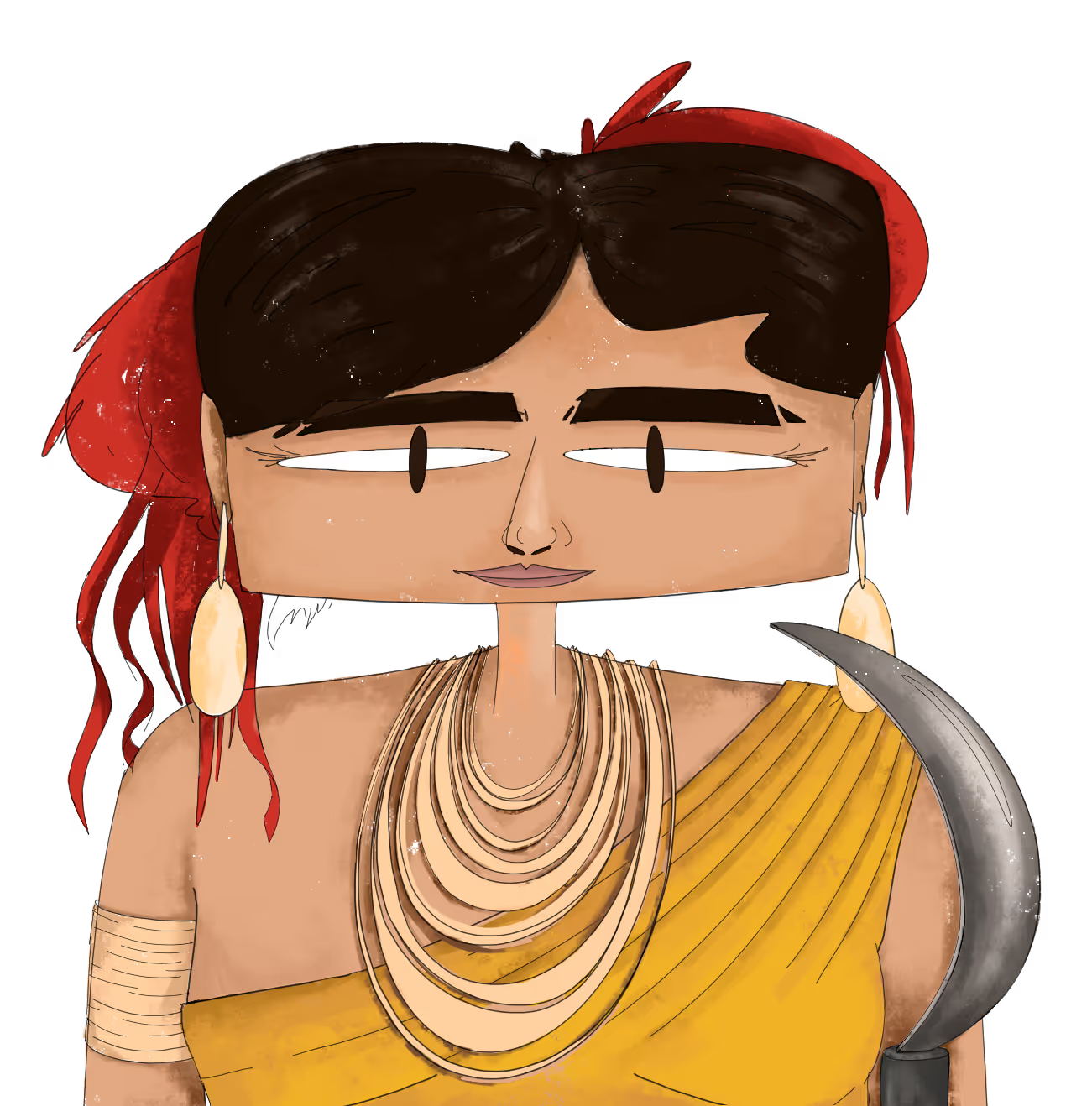
In 19th century Travancore, dignity had a price. Women from oppressed castes were forced to pay the mulakkaram, commonly known as the breast tax, if they wished to cover their bodies. It was violence woven into daily life and a constant reminder of caste tyranny.
Nangeli, known for her quiet resolve, decided she would no longer bear this cruelty. When the tax collector arrived, she placed her severed breasts on a plantain leaf before him, a gesture so radical and heartbreaking that it echoed long after her death.
She died from immense blood loss, and in despair, her husband threw himself onto her funeral pyre, a rare instance of male sati.
The story suggests that the rulers abolished the tax soon after, and the land where she lived came to be known as Mulachiparambu, meaning the land of the breasted woman. Nangeli’s act survives as a powerful reminder of how oppressed women have shaped history through unimaginable sacrifice.